' /%3E%3Ctext x='16' y='23' font-family='Arial, sans-serif' font-size='30' font-weight='bold' fill='white' text-anchor='middle'%3EF%3C/text%3E%3C/svg%3E)

Visual Hunt
How To
Scan the image carefully to find the hidden target or the odd one out. Tap directly on the target to mark it found.
Share The Fun
Invite friends to take this challenge!
Did You Know?
Scientifically, the ratio between your index and ring finger (2D:4D ratio) is linked to testosterone levels in the womb.
Palmistry (Chiromancy) has been practiced for thousands of years, originating in ancient India and spread through China and Greece.
Your pinky finger, despite its size, provides about 50% of your hand's overall grip strength!
In some cultures, a pinky that reaches the top joint of the ring finger is considered a sign of excellent communication skills.
Spot the Odd Star: Visual Puzzle Challenge - Can You Find It?
Look at the image. A field of stars. They all look the same, right? Wrong. One of them is different. One star doesn't belong. Can you spot it?
Visual puzzles are more than just fun. They sharpen your observation skills. They train your brain to notice details. They test your patience and focus. And this one—Spot the Odd Star—is tougher than it looks.
Let's break down what makes this puzzle challenging. And more importantly—we'll show you the secrets to solving it faster.
The Puzzle: Find the Odd Star
Here's the setup: A grid of stars stretches before you. Each one has five points. Each one looks identical at first glance. But one of them is subtly different.
The odd star might have:
- A different number of points
- A slight rotation
- A shape variation
- A missing element
- A different color or shade
Your mission: Find it before your time runs out.
Why Visual Puzzles Like This Are So Effective
You might think these puzzles are just games. But science says otherwise.
Brain Training Benefits
- Improves attention span: You learn to concentrate on details
- Enhances pattern recognition: Your brain becomes better at spotting anomalies
- Boosts problem-solving skills: You develop strategies to find differences
- Reduces stress: Focused visual tasks have a meditative effect
- Slows cognitive decline: Regular puzzles keep your brain sharp
Tips to Spot the Odd Star Faster
Most people take 30 seconds to find the odd star. With these techniques, you can cut that time in half.
The Scanning Method
- Use a grid pattern: Scan from left to right, top to bottom
- Focus on one element: Look at points first, then angles, then size
- Step back: Sometimes the odd star is easier to spot from distance
- Blur your eyes: Soft focus can make differences stand out
The Comparison Method
- Pick a single star as your reference
- Compare each star to that reference
- Look for inconsistencies in symmetry
- Check the spacing between points
- Verify the angles are identical
The Elimination Method
- Eliminate stars that are clearly identical
- Focus on the remaining candidates
- Slowly narrow down until only one remains
- Trust your instincts—your brain subconsciously detects patterns
Common Mistakes People Make
Even smart people get fooled. Here's why.
- Overthinking: The odd star is often the most obvious difference
- Rushing: Speed matters, but accuracy matters more
- Distraction: Other details can pull your attention away
- Confirmation bias: You convince yourself you've found it, even when wrong
Difficulty Levels: How Hard Can It Get?
| Level | Time to Find | Difficulty | Success Rate |
|---|---|---|---|
| Easy | 5-10 seconds | Low | 95% |
| Medium | 15-30 seconds | Medium | 75% |
| Hard | 30-60 seconds | High | 45% |
| Expert | 60+ seconds | Very High | 20% |
Why Puzzles Like This Go Viral
Have you ever noticed how "spot the difference" puzzles spread like wildfire on social media? There's a reason.
The Psychology Behind Viral Puzzles
- Competition: People want to prove they're smarter than others
- Achievement: Finding the answer gives a dopamine boost
- Sharing: People love to challenge friends and family
- Frustration: The harder it is, the more people talk about it
- Community: Discussing answers creates engagement
Compare: Spot the Odd Star vs. Other Visual Puzzles
| Puzzle Type | Skill Tested | Difficulty | Fun Factor |
|---|---|---|---|
| Spot the Odd Star | Pattern recognition | Medium | High |
| Where's Waldo? | Visual scanning | Medium | High |
| Spot the Difference | Detail comparison | Hard | High |
| Optical Illusions | Perception | Very Hard | Medium |
| Memory Grid | Memory recall | Hard | Medium |
Frequently Asked Questions
How long does it take to spot the odd star?
It depends on the difficulty level. Beginners usually take 20-40 seconds. Experienced puzzle solvers can do it in under 10 seconds.
Is there a trick to solving it faster?
Yes. The trick is to stop searching and start comparing. Pick a reference star and compare every other star to it. Anomalies become obvious.
Can I improve my visual puzzle skills?
Absolutely. Like any skill, practice makes perfect. Try different types of puzzles regularly, and you'll notice faster recognition times.
Are these puzzles good for mental health?
Yes. They reduce anxiety by forcing focus on a single task. They also provide a sense of accomplishment when you find the solution.
Can children solve the odd star puzzle?
Yes. Children often perform better than adults because they have less preconceived notions. Their fresh perspective is an advantage.
Is there a prize for solving it?
The prize is the satisfaction of solving a challenging puzzle. And the bragging rights, of course.
Did You Find It? Let's Test Your Skills
Now that you know the strategies, here's the real challenge. Look at the image above carefully. The odd star is hiding in plain sight.
Set a timer. See how fast you can find it. Share your time in the comments.
And remember—the odd star isn't always where you expect it to be. It could be in the center. It could be in a corner. It could be right in front of you.
Keep looking. You'll see it.
Still stuck? Here's a hint: Check the number of points. That's where the difference lies.
Explore More Fun

What’s 'Wrong' with this clock?

How many 'Triangles' do you actually see?

Only 'Genius Level' can see the 7th person.

Find the 'Different Emoji' in this grid.

Is this image 'Moving' or is it just you?
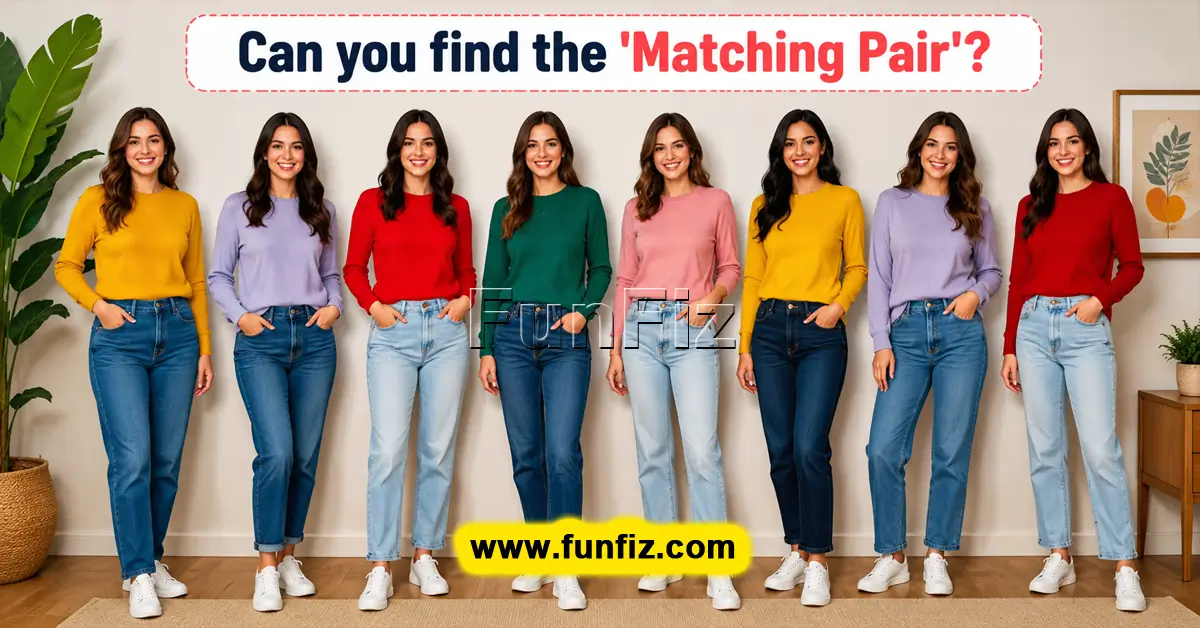
Can you find the 'Matching Pair'?
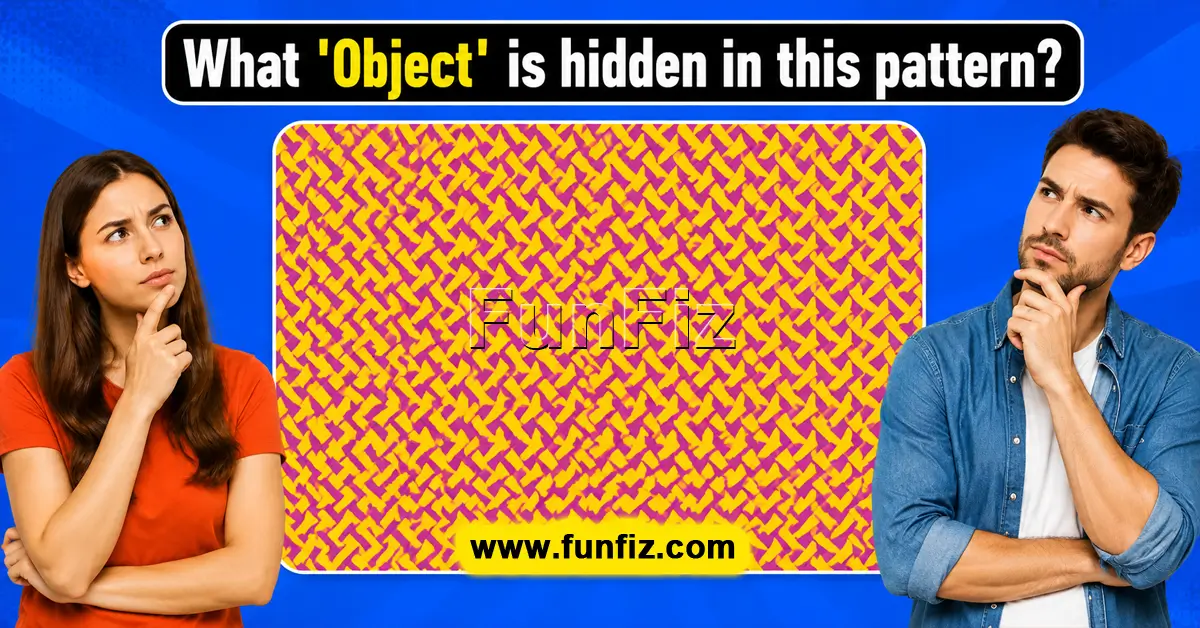
What 'Object' is hidden in this pattern?
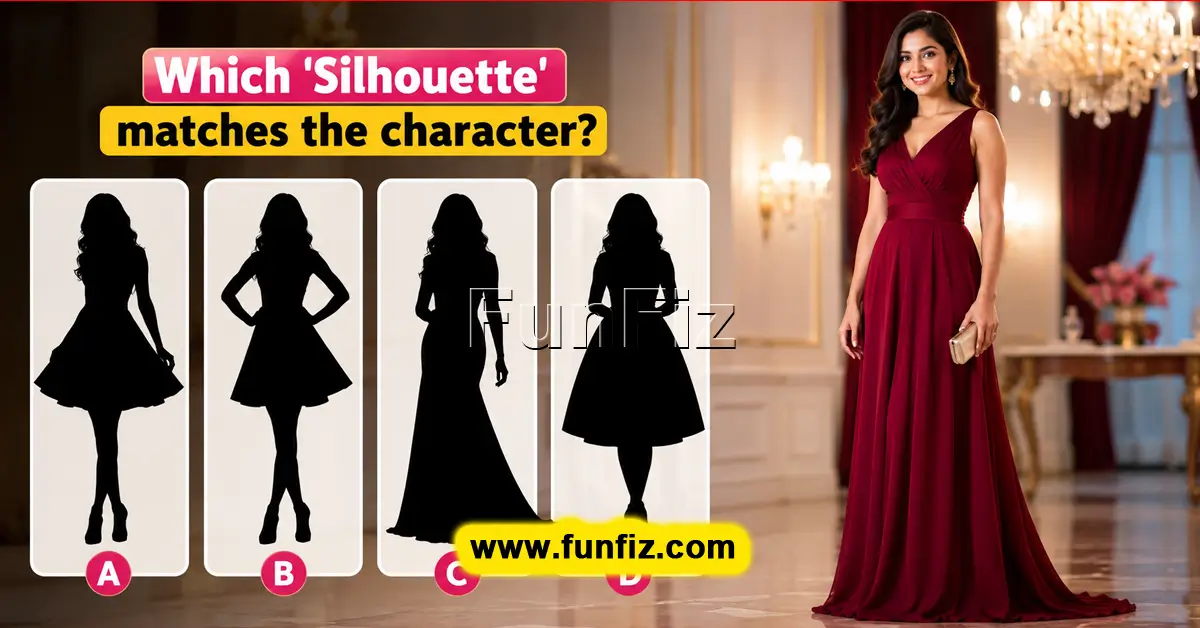
Which 'Silhouette' matches the character?