' /%3E%3Ctext x='16' y='23' font-family='Arial, sans-serif' font-size='30' font-weight='bold' fill='white' text-anchor='middle'%3EF%3C/text%3E%3C/svg%3E)

Méthode Scientifique
L'ampoule est éteinte au départ. Vous mettez l'interrupteur A sur ON pendant 10 minutes. Puis vous le remettez sur OFF et mettez le B sur ON. Vous entrez immédiatement. L'ampoule est ÉTEINTE, mais elle est TRÈS CHAUDE au toucher.
Expérience #42
L'ampoule est ÉTEINTE mais CHAUDE, quel interrupteur est relié à elle ?

Action
Cliquez sur l'interrupteur relié à l'ampoule.
How To
Utilisez les indices (température, état) pour déduire le résultat. Marquez l'interrupteur qui correspond à toutes les conditions.
Share The Fun
Invite friends to take this challenge!
Le saviez-vous ?
Les ampoules à incandescence convertissent 95 % de l'énergie en chaleur plutôt qu'en lumière.
Cette énigme est souvent posée lors d'entretiens dans les grandes entreprises tech.
Ces puzzles testent votre capacité à réfléchir au-delà de l'état visuel immédiat.
Les LED modernes chauffent beaucoup moins, rendant l'énigme plus difficile à l'avenir !
Which 'Switch' Turns On the Lightbulb? Puzzle (Logic) - Solve It in 3 Tries
You're standing in a room with three switches. Each switch controls one lightbulb in another room. You can't see the bulbs from where you are.
You can enter the bulb room only once. You can flip the switches as many times as you want before entering.
Your mission: Figure out exactly which switch controls which bulb. No guessing. No second chances.
This is the classic switch-lightbulb puzzle. It's been around for decades. And it still trips up smart people.
Let's see if you can crack it.
The Puzzle Setup
Here's exactly what you're dealing with.
Room 1 (Switch Room): Contains three switches — Switch A, Switch B, and Switch C.
Room 2 (Bulb Room): Contains three lightbulbs — Bulb 1, Bulb 2, and Bulb 3.
The Rule: You can flip switches as much as you want in Room 1. But you can enter Room 2 only once to check the bulbs.
The Goal: Match each switch to its correct bulb with 100% certainty.
You start with all switches off. All bulbs are off. No one is helping you. You're alone with your logic.
Think Before You Read the Solution
Seriously. Stop here. Think about it.
Most people try the obvious approach: Turn on one switch, enter the room, see which bulb is on. But that only identifies one switch. You still don't know the other two.
The puzzle is designed to frustrate. The solution is clever. Let's see if you can find it.
Take a minute. Or five. Think about heat. Think about time. Think about what lightbulbs do when they're on for a while.
The Solution: The Heat Trick
Ready? Here's how you solve it.
Step 1:
Turn on Switch A. Leave it on for 5-10 minutes.
Step 2:
Turn off Switch A. Turn on Switch B. Leave Switch B on.
Step 3:
Enter the bulb room. Look at the three bulbs.
Now Identify Each Bulb
| Bulb State | What It Means | Which Switch |
|---|---|---|
| On (bright) | Currently receiving power | Switch B |
| Off but warm/hot | Was on recently, now off | Switch A |
| Off and cold | Never turned on | Switch C |
Final Result:
- Switch B controls the bulb that is ON
- Switch A controls the bulb that is OFF but WARM
- Switch C controls the bulb that is OFF and COLD
Why This Solution Works
The trick is heat. Incandescent lightbulbs get hot when they're on. They stay warm for a while after you turn them off.
By using time as a factor, you create three distinct states:
- On = currently powered
- Off but warm = was powered, now not
- Off and cold = never powered
Three switches. Three distinct states. One visit. Problem solved.
What If You Have LED Bulbs?
Here's the catch: The classic solution works for incandescent bulbs. But what if you have LED bulbs?
LED bulbs don't get hot. They stay cool. The heat trick fails.
The LED Workaround
If you're dealing with LED bulbs, you need another approach. Here's one:
- Turn on Switch A and Switch B. Leave them on for 30 seconds.
- Turn off Switch B. Leave Switch A on.
- Enter the room. The ON bulb is Switch A.
- For the other two? You can't use heat. You'd need a different clue—like a dimmer switch or colored bulbs.
The classic puzzle assumes incandescent bulbs. Most versions do. If someone gives you this puzzle today, ask them: "Are these LED or incandescent?" It's the perfect trick question.
Variations of This Puzzle
The switch-lightbulb puzzle has many versions. Here are the most common.
Version 1: Two Switches, One Bulb
You have two switches and one bulb. You can enter once. Easy: Turn on Switch A, leave it on, enter. If bulb is on, it's Switch A. If off, it's Switch B.
Version 2: Three Switches, One Bulb
Same as classic but with one bulb. You can enter once. Solution: Turn on Switch A for 5 minutes. Turn it off. Turn on Switch B. Enter. If bulb is on, it's Switch B. If off but warm, it's Switch A. If off and cold, it's Switch C.
Version 3: Three Switches, Three Bulbs (But No Heat)
This version assumes LED bulbs. The classic solution fails. You need an alternative—like using a dimmer to create different brightness levels, or using smart bulbs that show colors.
Version 4: Four Switches, Four Bulbs
Now it gets complicated. With four switches, you need more states. Heat can give you On, Off-warm, and Off-cold. That's only three states. For four switches, you need another clue—like a bulb being slightly warm vs. very hot, or using time intervals to create different temperatures.
Why This Puzzle Is a Classic
This puzzle has been around for generations. It appears in job interviews. It's used in cognitive tests. It's a staple of puzzle books.
Why? Because it tests lateral thinking. The obvious solution—turning on one switch—only works for one bulb. To solve all three, you need to think beyond the obvious. You need to use properties of the bulb beyond just light.
It's also a perfect example of how constraints create creativity. The "one visit" rule forces you to find a clever workaround. Without that rule, the puzzle is trivial.
Frequently Asked Questions About the Switch Puzzle
Can I use a different method to solve this?
Yes. Some people use sound (bulbs sometimes hum), or touch (vibration). But heat is the most reliable and common method.
What if I don't have incandescent bulbs?
Then the classic solution fails. You'd need to use a different property—like using a timer to create different on/off patterns, or using bulbs with different colors.
Is there a solution for four switches?
Yes, but it's more complex. You can use heat levels (hot, warm, cold) plus on/off. Or you can use multiple visits. With a single visit, four switches require very precise heat differentiation.
How long should I leave the first switch on?
5-10 minutes. You want the bulb to get hot enough that it stays warm after you turn it off. Too short, and you won't notice the heat. Too long, and it might overheat.
Is this puzzle used in real interviews?
Yes. Some tech companies ask variations of this puzzle. It tests problem-solving and lateral thinking. It's also a common brain teaser in puzzle books.
Try These Similar Logic Puzzles
Puzzle: The Three Boxes (Again)
Three boxes. One has apples, one has oranges, one has both. All labels are wrong. You pick one fruit from one box. Which box is which?
Click for Answer
Pick from the box labeled "Both." Since all labels are wrong, this box has only apples or only oranges. Whatever fruit you pick, that's the only fruit in the box. Then swap the other labels accordingly.
Puzzle: The Two Ropes
You have two ropes. Each takes exactly 60 minutes to burn. They don't burn evenly. How do you measure 45 minutes?
Click for Answer
Light both ends of Rope A and one end of Rope B. When Rope A burns out (30 minutes), light the other end of Rope B. It will burn out in 15 minutes. Total: 45 minutes.
Final Thoughts: The Power of Lateral Thinking
The switch-lightbulb puzzle isn't about switches or bulbs. It's about thinking differently.
Most people focus on light. The solution uses heat. That's lateral thinking—finding an unexpected path to the answer.
This skill applies far beyond puzzles. It's how breakthroughs happen. It's how problems get solved. It's how you find answers that everyone else missed.
So the next time you face a problem, ask yourself: What am I not seeing? What property am I ignoring? What if I looked at it completely differently?
The answer is often right there. You just need to think outside the bulb.
Explore More Fun

Quel 'chemin' est le plus sûr à prendre ?

Résolvez cette porte logique 'Action ou Vérité'

Quelle 'Ombre' appartient à l'objet ?
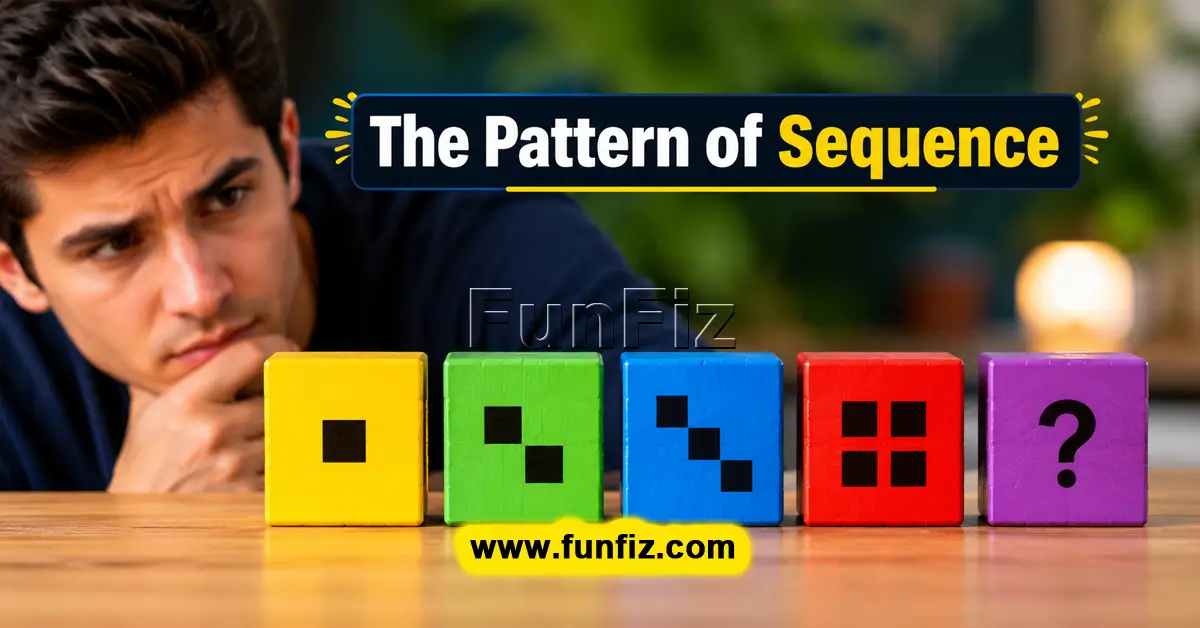
Pouvez-vous réparer cette 'Séquence Brisée' ?

Pouvez-vous résoudre l'énigme d'Einstein ?

Qui est le 'Propriétaire' du chien disparu ?
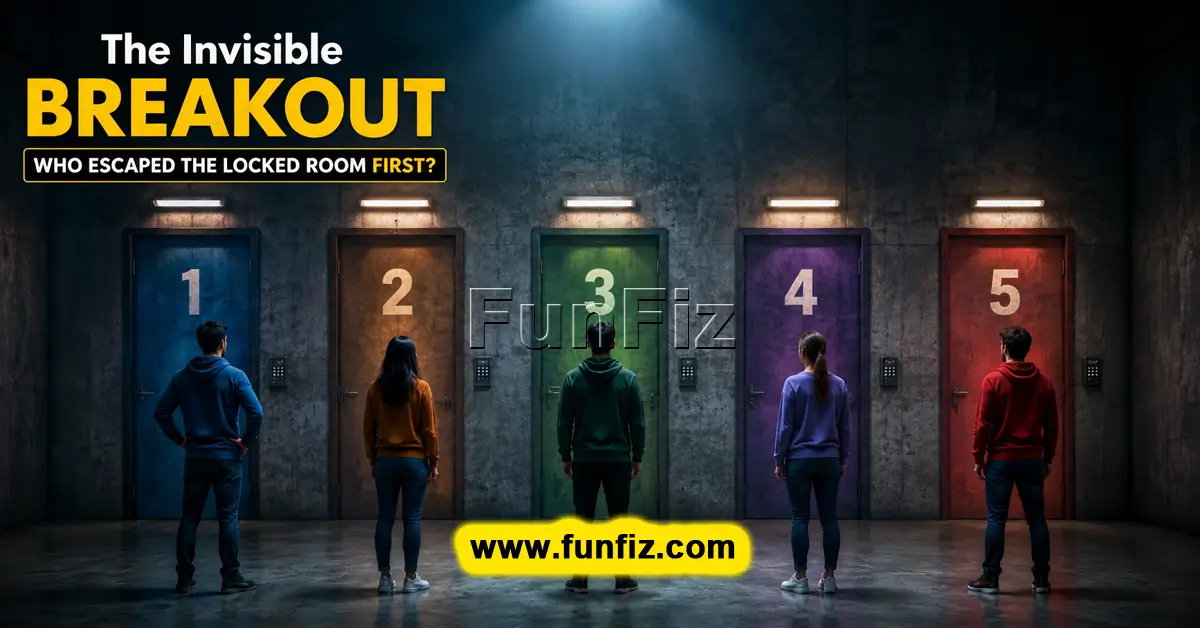
Qui s'est 'échappé' de la cellule verrouillée en premier ?

Qui est le 'Vrai Docteur' sur cette photo ?
